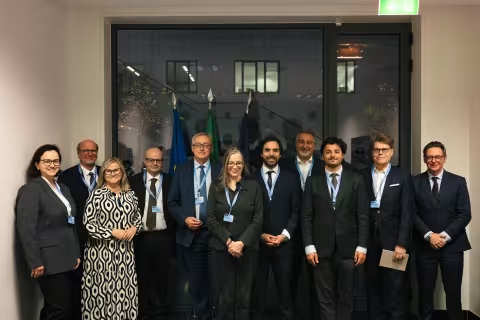
PMAC Arbitration Day: Inspiring Ideas, Advancing Arbitration
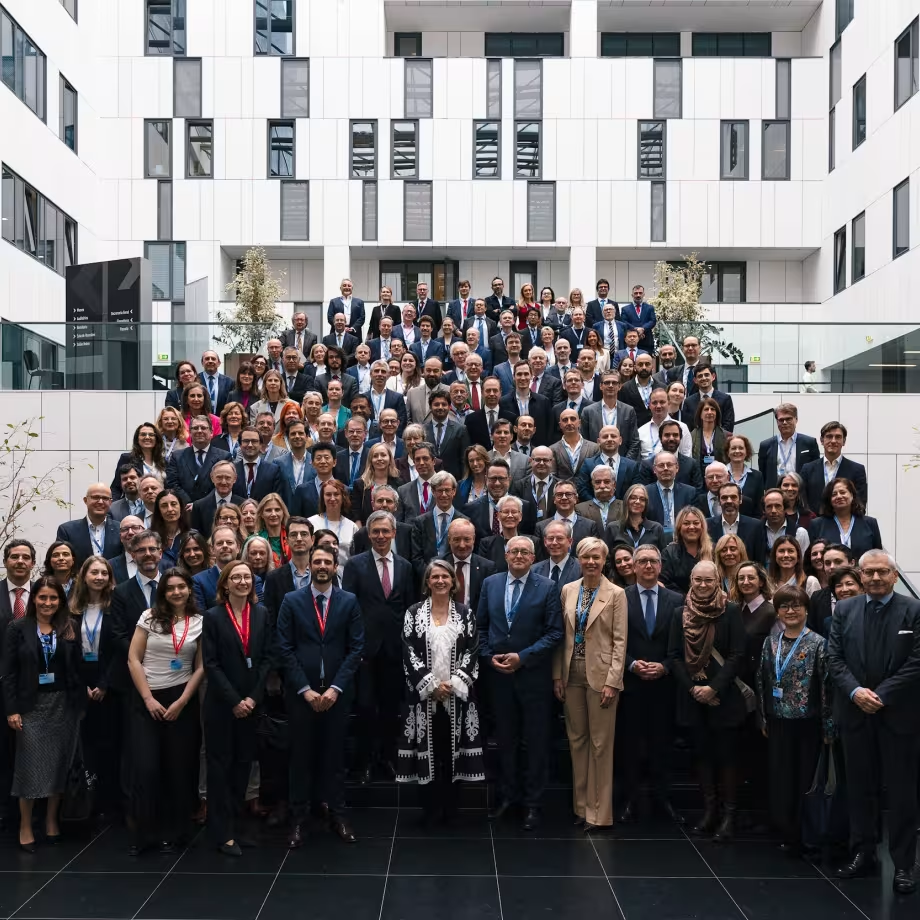
The Patent Mediation and Arbitration Centre brought together judges, intellectual property officials, arbitrators, academics and practitioners in Lisbon and online on 25 November 2026 for PMAC Arbitration Day. Across five panels, speakers explored how arbitration can contribute to the resolution of intellectual property disputes, from global patent licensing and standard-essential patents to technology transfer and life sciences.
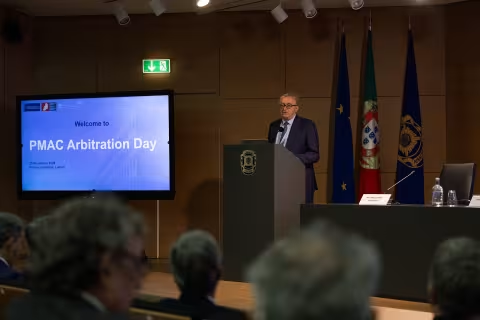
Aleš Zalar, PMAC Director, and Johannes Karcher, Chairman of the UPC Administrative Committee, welcomed participants. Recalling the Centre's inauguration and 1st PMAC Forum in Ljubljana, Mr Zalar highlighted the Centre’s continued momentum and significant progress. This included receiving mediation cases, launching expert determination services, signing memorandum of understanding and cooperation with national courts and other ADR centres, and accrediting new PMAC neutrals, bringing the Centre’s roster to almost 400 neutrals. Mr Karcher noted that, with arbitration services now complementing mediation, PMAC's framework is complete. He emphasised that confidence in the Centre would grow as parties gain experience with its procedures.
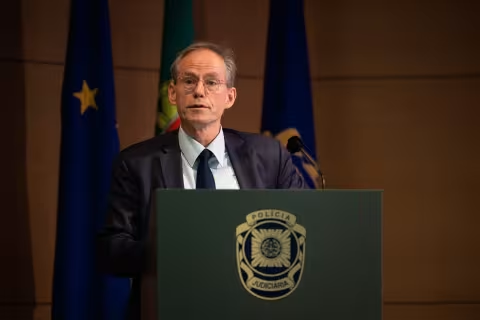
In his opening remarks, Gonçalo da Cunha Pires, Portugal's Deputy Minister of Justice, recalled Portugal's role in advancing the inclusion of mediation and arbitration in the European patent framework during its Presidency of the Council of the European Union. He noted that hosting both a seat of PMAC and a UPC Local Division places Portugal in a position to contribute to the development of a more specialised and accessible system for resolving patent disputes. "Innovation does not recognise the same borders that have traditionally defined our legal systems," he said.
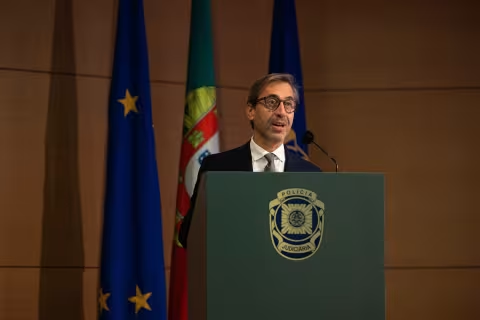
Klaus Grabinski, UPC President, highlighted several features that can make arbitration and mediation attractive to parties, including the prospect of a faster and more focused procedure, the ability to address disputes concerning global patent portfolios in a single proceeding, and enhanced protection of confidential information. He also noted that parties are free to select neutral with the appropriate expertise, and that negotiated settlements can create opportunities for future cooperation rather than producing a simple winner-and-loser outcome.
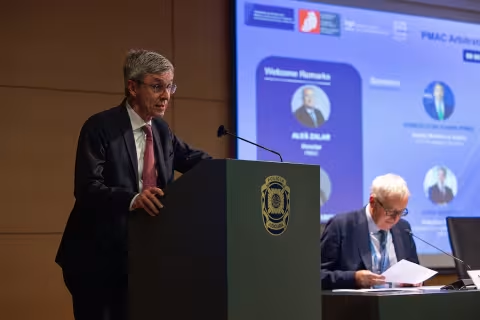
João Negrão, EUIPO Executive Director, said that the value of an intellectual property system lies not only in granting rights but also in providing effective means to resolve disputes. Noting that intellectual property litigation can be costly and lengthy, particularly for SMEs, he highlighted the role of alternative dispute resolution in fostering constructive dialogue beyond what litigation can offer. Drawing on the experience of the EUIPO Mediation Centre, he called on institutions to look beyond the traditional boundaries of their responsibilities and cooperate in providing users with additional pathways for resolving legal disputes.
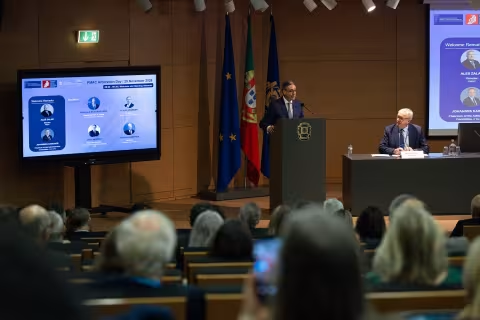
António Campinos, EPO President, linked the launch of PMAC's arbitration services to Europe's competitiveness, particularly in the area of standard-essential patents. He noted that PMAC enables parties to address commercial issues alongside court proceedings and said the Centre offers Europe an opportunity to help shape a global standard for patent dispute resolution. Referring to the Portuguese art of calçada, in which many individual stones come together to create a larger pattern, he compared PMAC to one element of a broader European patent ecosystem in which different institutions work together to support innovation and dispute resolution.
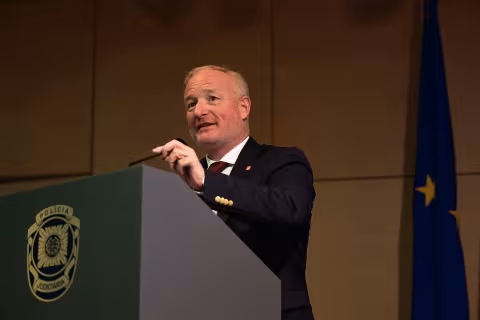
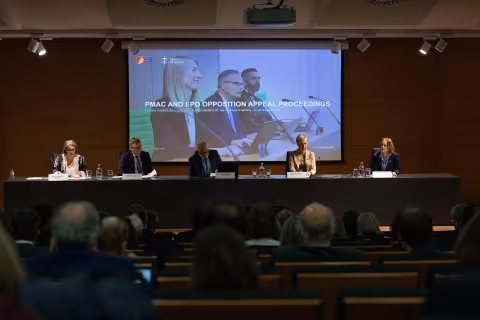
Moderated by Aleš Zalar, the first panel European IP Dispute Resolution Policy Challenges examined why mediation and arbitration remain underused in intellectual property disputes and how national IP offices, the European Union Intellectual Property Office and PMAC could make these options more accessible. Panellists Sven Stürmann, Ana Margarida Bandeira, Karin Žvokelj, Nazareth Romero and Yvonne Podbielski considered closer cooperation through referrals and joint training, how parties might use PMAC services while opposition appeals are pending before the European Patent Office, and how to raise awareness of those services in non-UPC jurisdictions. Many good practices and lessons learnt were presented, such as hearing first-hand testimonials from those who have direct experience with the procedures, which are usually faster and therefore help save money. Panellists examined the advantages and disadvantages of voluntary, presumed and mandatory approaches to integrating ADR into IP dispute resolution, alongside practical ways to raise awareness and improve access to ADR for SMEs.
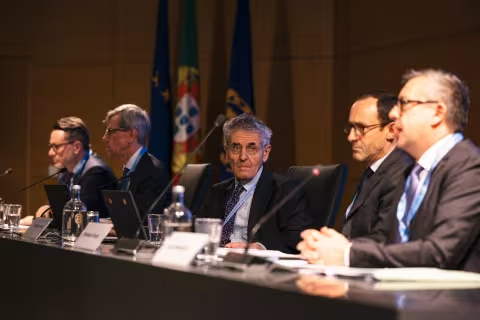
In the Judges’ Panel – Territorial Rights, Global Standards, moderated by Sir Robin Jacob, judges from the Unified Patent Court Emmanuel Gougé and Matthias Zigann and national courts Lord Justice Richard Arnold and Lars Meinhardt reflected on how courts handle disputes over standard-essential patents when patent rights are territorial, but licensing negotiations are global. Drawing on their judicial experience, they considered how litigation can shape settlement negotiations and when judges can encourage parties to explore mediation or arbitration while respecting their choice of how to resolve the dispute. Judges discussed the reasons why arbitration remains relatively underused in SEP/FRAND disputes. Among other suggestions, it was proposed that parties could be invited to negotiate the terms of an arbitration agreement during mediation, including the seat of arbitration, the applicable law, the appointment of arbitrators and similar.
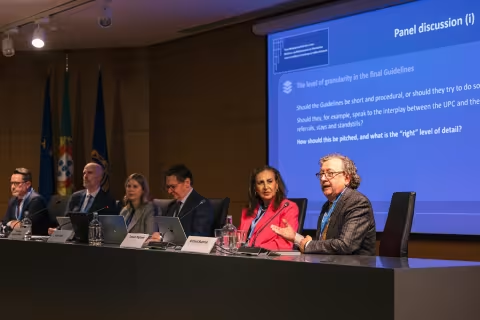
In the PMAC FRAND Guidelines panel, the panellists discussed the feedback from the first round of public consultation on the PMAC FRAND Guidelines Working Group’s discussion paper on an Outline for the Guidelines. The feedback was wide-ranging: top names from both the SEP-holder and implementer sides provided input, as did a significant number of lawyers' and users' associations. The panel examined areas where feedback showed general agreement (the explicitly non-binding and methodology-neutral nature of the Guidelines; the need for practical guidance and helpful tools) and areas where reactions were more divided. These included the desired level of granularity in the final Guidelines; whether and to what extent the Guidelines should delineate the main methods Courts use for rate-determination; and how such matters as sequencing and essentiality should be dealt with. The panel also debated the balance between confidentiality during the proceedings and transparency in respect of the final outcome. Drawing on the judges' panel earlier in the day, the panellists also briefly considered, in the light of the recent Acer v Nokia case, how Courts might encourage litigants to submit their FRAND disputes to ADR in the future. The panellists, most of whom sit on the working group drafting the Guidelines, were: Matthias Zigann, Aleksandra Kuźnicka-Cholewa, Richard Buttrick, Tom Oliver and Taraneh Maghamé. The moderator was Simon Dack.
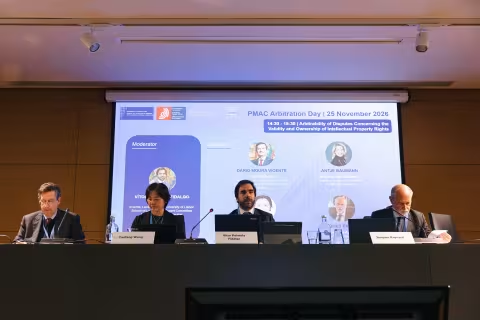
The panel Arbitrability of Disputes Concerning the Validity and Ownership of Intellectual Property Rights, moderated by Vítor Palmela Fidalgo, highlighted a growing international trend towards allowing arbitral tribunals to consider patent validity with effects limited to the parties. Drawing on comparative perspectives and on Article 35(2) of the UPC Agreement, panellists Jacques Raynard, Yanfang Wang, Dário Moura Vicente and Antje Baumann explored how this approach can help resolving commercial disputes while safeguarding defence rights and respecting the limits of arbitral decisions in relation to patent registers and third parties. The discussion also underscored the importance of clearly drafted arbitration clauses covering ownership and licensing disputes, and of publishing anonymised awards to foster consistent practice.
Cândida Ribeiro Caffé opened the panel Arbitration of Patent Licensing, Technology Transfer and Life Sciences Disputes by emphasising that dispute resolution provisions deserve careful consideration and drafting. She noted that parties often treat them as “midnight clauses”, leaving their negotiation until the final stages of a transaction.
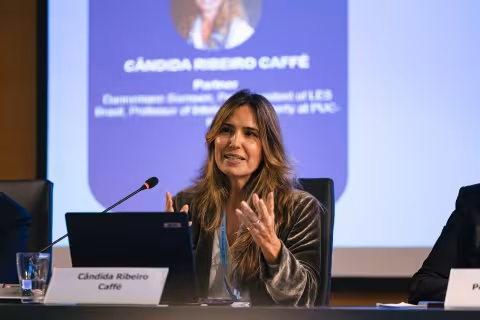
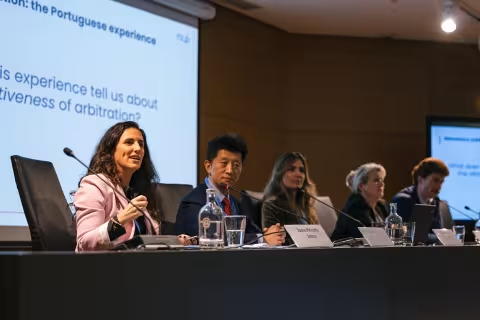
The panel explored the evolving role of arbitration in patent, licensing and technology-related disputes, bringing together perspectives and practical experiences from Portugal, the United Kingdom and China. Panellists Penny Gilbert, Shaohui Yuan, Joana Piriquito Santos and Owen Waugh examined the advantages of arbitration in resolving complex cross-border disputes, particularly in the life sciences and technology sectors, highlighting the value of technical expertise, confidentiality, procedural flexibility and the international enforceability of awards. The discussion also reflected on lessons learned from Portugal’s mandatory arbitration regime, recent developments in IP dispute resolution, and the growing use of alternative dispute resolution mechanisms in international technology transactions. A key takeaway was that there is no one-size-fits-all approach to dispute resolution. Speakers emphasized that arbitration is most effective when carefully adapted to the nature of the dispute and supported by experienced decision-makers, clear procedural rules and robust safeguards that foster legitimacy, efficiency and trust in the process.
In his closing remarks, PMAC Director Aleš Zalar confirmed that, following the recent launch of its arbitration services, the Centre now offers arbitration alongside mediation and expert determination. He said early neutral evaluation would follow in 2027 and expressed hope that a first draft of the PMAC FRAND Guidelines would also be ready that year.
Mr Zalar thanked the moderators, panellists and participants, as well as the European Patent Office, Portuguese and Slovenian IP Offices for co-organising the event. By bringing together people who see IP disputes from different perspectives, Arbitration Day gave participants a chance to question their assumptions, test their ideas against others’ experience, and reconsider how disputes can best be resolved.
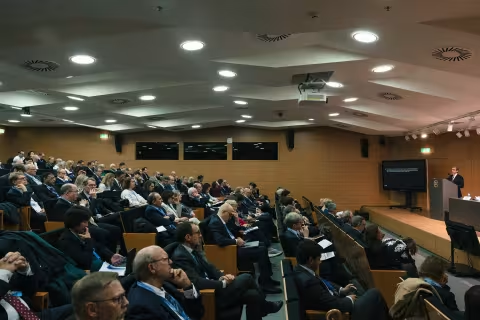
The event attracted strong interest, with 200 participants registered to attend in person, while more than 350 followed the event online.
On the margins of Arbitration Day, the PMAC Expert Committee also held a meeting, as it plays a key role in preparing procedural rules, such as the above-mentioned Early Neutral Evaluation Rules, and other important guidelines for the effective functioning of the PMAC.